Quote:
Originally Posted by camcojb

I have run IR setups. Never owned the crossram version though, but I have done tuning on them. My only concern is that the butterflies may be too small if this is a high HP setup, if they are truly 52 mm. It would really depend on what these throttle bodies flow. I had 2 3/16" throttle blades on a 406 small block (55.5 mm) and they were too small for the combo. Made 480 rwhp but was also pulling vacuum at WOT due to the restriction.
Has he said what these flow? The Hilborn setup was only good for 285 cfm according to them in the 55mm size. Maybe these flow more. You'd like them to flow as good as your heads or better, but at least close. You'll love the setup, torque and throttle response are incredible. Plus the looks..........  |
Second that thought on proper sizing of bores.
A certified FE engine nut wrote a book where he ran ever FE intake manifold he could find on 4 FE builds. From a 320hp 428 cj to a 500hp 390 stroker to a 427 and then a stroked 700hp 482. On the three smaller motors the weber intake with 48IDAs made the best average hp and torque by a significant margin. It did not make the highest peak hp on any engine and as the peak hp climbed on each "bigger" engine the ranking of the IR webber set up fell lower on the scale.. As Jody said it was pulling to much vac at WOT showing the flow was limited. The highest peak hp of these motors was a little over 600.
Once on the 700+ hp 482 it's peak performance fell to the bottom three of 30 manifolds and it's avg score also fell in the bottom 20%.
On the webber FE intake manifold the runner was a short straight run into the port so mainly the flow of the bore was what influenced performance.
On your IR crossram the IR length and flow should have a tuning effect for desired RPM range. I only know enough to be dangerous here but if you look at some articles by the top sheet metal intake builders you see they tune the intake with the runner size and length to the motor. We can speculate all we want but the intake designer should have an intended operating RPM range for a given amount of intake flow and engine displacement and be able to tell you if it will make your motor a star or hold it back.

Quote:
Originally Posted by Matt.A
Oh, and my Shelby doesn't have the "S H E L B Y" lettering on the trunk either.  It was that way when I bought it though, and I didn't feel like buying new lettering for it.
Come on down to the shop sometime and I'll drive you over to Stone Brewing company. It is a block down the street, and they've got all of the therapy you can drink!
Matt |
I'd take the S H E L B Y lettering off anyway. By 1969 he was already out of building Mustangs and only badging them for profit.

Better watch out what you offer I'll take you up on it. I'm off work ext week running car building errands. As long as the drive over isn't in an LS powered 65.

If I win the lottery I'll buy you a Fordstrokers Dart block FI 363 and pay you to throw the LS in a Nova.


Quote:
Originally Posted by Matt.A
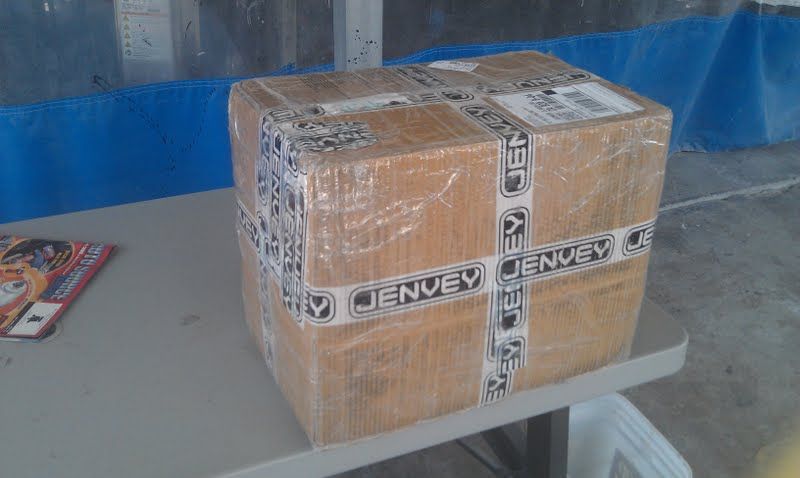
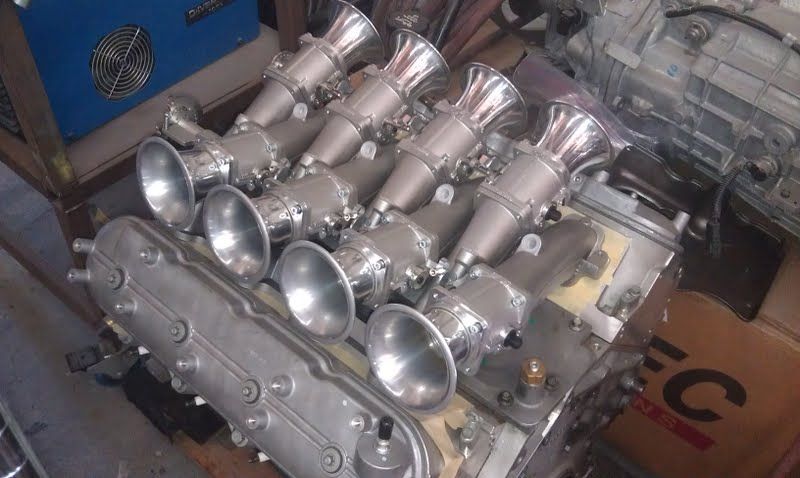
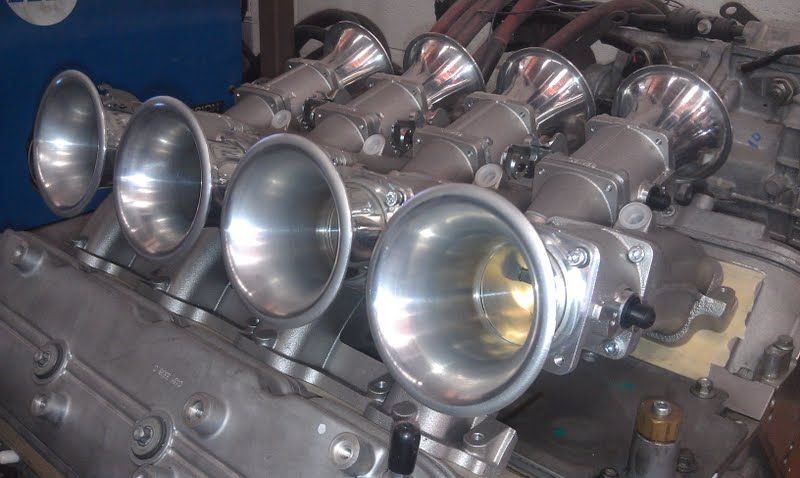
So true. By the time your engine is fully plummed and ready to fire it will probably cost more than my three engines combined. That idea kind of scares me since I'm eventually going to have to buy an engine for my little fastback. Do you think if I put a Jenvey intake on my little LS (the one pictured) and had some billet valve covers cut to look like old Ford ones that anyone would notice it was actually an LS? 
Matt |
Probably not all three engines (I'm not building a cammer) but for sure probably more than your most expensive one. I did spend a couple years collecting some of the big parts at a discount.
















 Brian Hobaugh SCCA National Tour June 2014
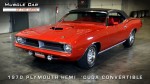 First Hemi 'Cuda Convertible Ever Built
 Short clips: Goodguys Pleasanton autocross and pit videos




 own a a late model Shelby stang.. et Tu. brute
 I'm gonna need therapy.




 Linear Mode

