|
|

03-08-2015, 08:22 PM
|
 |
Senior Member
|
|
Join Date: May 2013
Location: Folsom, CA
Posts: 2,422
Thanks: 45
Thanked 35 Times in 26 Posts
|
|
I concur with Jay on the parking brake. The line lock is a track car trick to eliminate the parking brake weight & friction.
If you want to have a parking brake and run Baer brakes ... I think you can achieve that with eithers Jays C6 end floater or the Baer floater. That at least narrows it down for you.
Best wishes.
__________________
Ron Sutton Race Technology
|
03-10-2015, 08:27 PM
|
 |
Lateral-g Supporting Member
|
|
Join Date: Sep 2011
Location: AZ
Posts: 429
Thanks: 1
Thanked 3 Times in 3 Posts
|
|
 ????
????
Quote:
Originally Posted by Ron Sutton

I concur with Jay on the parking brake. The line lock is a track car trick to eliminate the parking brake weight & friction.
If you want to have a parking brake and run Baer brakes ... I think you can achieve that with eithers Jays C6 end floater or the Baer floater. That at least narrows it down for you.
Best wishes.
|
Ron, just outa curiosity. I was wondering what one of the Speedway Floater Hub set-ups weighs that you run on your track cars? I am curious as to what the actual weight savings is. 
Snout -
Hub (steel or aluminum? -
Bearings/Races -
Drive Plate (I assume you run steel) -
Studs -
Caliper Brackets/gussets) -
Also if you wouldn't mind?
Rotor Adaptor (steel or Aluminum?) -
Rotor 13"x1.25" -
Jay
|
03-11-2015, 11:52 AM
|
|
Senior Member
|
|
Join Date: May 2013
Location: Folsom, CA
Posts: 2,422
Thanks: 45
Thanked 35 Times in 26 Posts
|
|
Quote:
Originally Posted by JSM
Ron, just outa curiosity. I was wondering what one of the Speedway Floater Hub set-ups weighs that you run on your track cars? I am curious as to what the actual weight savings is.
Snout -
Hub (steel or aluminum? -
Bearings/Races -
Drive Plate (I assume you run steel) -
Studs -
Caliper Brackets/gussets) -
Also if you wouldn't mind?
Rotor Adaptor (steel or Aluminum?) -
Rotor 13"x1.25" -
Jay |
Hey Jay,
The floater rear end is not lighter than a flange axle rear end ... all other things being equal. The reason to run a floater is safety, bearing longevity, elimination of hub flex & brake knock back. We do a lot to make them light, so they end up pretty close to the weight of a regular flange axle rear end. Sometime they're lighter, depending on what they're being compared to.
I'd have to go find my notes to know what a rear end weighs. The Mod-Lite floater uses a light 10 gauge housing. For the Grand National floaters, we use either a 10 gauge or heavier 7 gauge housing. We typically run the .188" DOM tubes & occasionally run the .125" 4130 tubes. For road course, autocross & street, I prefer the aluminum Mod-Lite hubs & the XHD steel GN drive plates. I dissuade people from running the aluminum drive plates except in high end racing where we can replace them often. The aluminum axle splines wear out too quickly.
For most kits I use Wilwood Spec-37 rotors. For my higher end stuff, we'll run AP rotors. If we're looking at short run cars, we'll go light with a 12.19" x .81" rotor. For long run cars where we need to deal with the heat, we run 1.25" wide rotors in whatever size we pick ... 12.19, 13.06" or 14.00". (FYI - rear brakes run cooler than fronts by about 1/3).
There were no brake kits for floaters that use 13.06" or 14" rotors, so I designed some & had them made. My rotor adapters for the large 13.06" & 14" rotors are made from 6061-T6 & black anodized. They are scalloped for both weight reduction and increased airflow into the rotor.
The caliper brackets welded to the housing are 3/8" thick 1026 steel & we double gusset them on the brakes packages with 13.06" or 14.00" rotors. Speedway Mod-Lite floaters use 18690 Timken bearings rated at 1800# thrust load each. Speedway Grand National floaters use L610549 Timken bearings rated at 2630# thrust load each.
We have some clients that occasionally run 1/2" studs. But ever since we found a good 5/8" fine thread lug nut from Moroso that has a smaller 7/8" hex & 60° conical seat that works with aluminum wheels ... most of my clients run 5/8" fine thread studs.
The Speedway Mod-Lite floaters are complete with hubs, bearings, studs, hardware & axles for $1299, so they're not much more than having a flange axle rear end built. It is safer & eliminates brake knock back.

__________________
Ron Sutton Race Technology
|
03-11-2015, 12:30 PM
|
 |
Senior Member
|
|
Join Date: Dec 2009
Posts: 5,044
Thanks: 6
Thanked 9 Times in 6 Posts
|
|
IIRC, my Speedway housing (different than Ron's mod lite above) with the DSE quadralink brackets weighed about 18 lbs lighter than my DSE/ Moser housing.
NASCAR parts FTW
|
03-11-2015, 06:20 PM
|
|
Lateral-g Supporting Member
|
|
Join Date: Sep 2011
Location: AZ
Posts: 429
Thanks: 1
Thanked 3 Times in 3 Posts
|
|
Quote:
Originally Posted by Ron Sutton
Hey Jay,
The floater rear end is not lighter than a flange axle rear end ... all other things being equal. The reason to run a floater is safety, bearing longevity, elimination of hub flex & brake knock back. We do a lot to make them light, so they end up pretty close to the weight of a regular flange axle rear end. Sometime they're lighter, depending on what they're being compared to.
I'd have to go find my notes to know what a rear end weighs. The Mod-Lite floater uses a light 10 gauge housing. For the Grand National floaters, we use either a 10 gauge or heavier 7 gauge housing. We typically run the .188" DOM tubes & occasionally run the .125" 4130 tubes. For road course, autocross & street, I prefer the aluminum Mod-Lite hubs & the XHD steel GN drive plates. I dissuade people from running the aluminum drive plates except in high end racing where we can replace them often. The aluminum axle splines wear out too quickly.
For most kits I use Wilwood Spec-37 rotors. For my higher end stuff, we'll run AP rotors. If we're looking at short run cars, we'll go light with a 12.19" x .81" rotor. For long run cars where we need to deal with the heat, we run 1.25" wide rotors in whatever size we pick ... 12.19, 13.06" or 14.00". (FYI - rear brakes run cooler than fronts by about 1/3).
There were no brake kits for floaters that use 13.06" or 14" rotors, so I designed some & had them made. My rotor adapters for the large 13.06" & 14" rotors are made from 6061-T6 & black anodized. They are scalloped for both weight reduction and increased airflow into the rotor.
The caliper brackets welded to the housing are 3/8" thick 1026 steel & we double gusset them on the brakes packages with 13.06" or 14.00" rotors. Speedway Mod-Lite floaters use 18690 Timken bearings rated at 1800# thrust load each. Speedway Grand National floaters use L610549 Timken bearings rated at 2630# thrust load each.
We have some clients that occasionally run 1/2" studs. But ever since we found a good 5/8" fine thread lug nut from Moroso that has a smaller 7/8" hex & 60° conical seat that works with aluminum wheels ... most of my clients run 5/8" fine thread studs.
The Speedway Mod-Lite floaters are complete with hubs, bearings, studs, hardware & axles for $1299, so they're not much more than having a flange axle rear end built. It is safer & eliminates brake knock back.
|
Ron,
As usual, thank you for taking time to answer, and in detail, but I think I did not ask my question clear enough. I was not needing the entire full floater rear-end set-up weight because I know there are many variables.
What I was trying to figure out is the weight ONLY for the items that I had listed. So basically if you took the components I have listed again, throw them on a scale,,,, what do they weigh?
(1) Snout -
(1) Hub (steel or aluminum? -
(2) Bearings/Races -
(1) Drive Plate & Cap (I assume you run steel) -
(5) Studs -
(1) Caliper Bracket/gussets) -
Thanks in advance, Jay
Last edited by MillerBuilt; 03-11-2015 at 06:24 PM.
|
03-11-2015, 08:43 PM
|
|
Senior Member
|
|
Join Date: May 2013
Location: Folsom, CA
Posts: 2,422
Thanks: 45
Thanked 35 Times in 26 Posts
|
|
Quote:
Originally Posted by JSM
Ron,
As usual, thank you for taking time to answer, and in detail, but I think I did not ask my question clear enough. I was not needing the entire full floater rear-end set-up weight because I know there are many variables.
What I was trying to figure out is the weight ONLY for the items that I had listed. So basically if you took the components I have listed again, throw them on a scale,,,, what do they weigh?
(1) Snout -
(1) Hub (steel or aluminum? -
(2) Bearings/Races -
(1) Drive Plate & Cap (I assume you run steel) -
(5) Studs -
(1) Caliper Bracket/gussets) -
Thanks in advance, Jay
|
Hey Jay,
Next time I'm at my shop ... which isn't often ... I'll grab those parts and weigh them. They are going to be heavier than the C6 ends and assembly. I'm just not sure how much heavier.
__________________
Ron Sutton Race Technology
|
03-11-2015, 09:01 PM
|
 |
Moderator
|
|
Join Date: Dec 2010
Location: Pacific Northwet
Posts: 8,034
Thanks: 33
Thanked 102 Times in 41 Posts
|
|
I sincerely apologise in advance.......but the title of this thread has been egging me on for days and I could no longer resist.
OK time for a new rear end suggestions
This one from UCLA isn't bad IMHO............

.......again my apologies but............ 
|
03-11-2015, 10:48 PM
|
|
Senior Member
|
|
Join Date: Mar 2014
Posts: 141
Thanks: 0
Thanked 0 Times in 0 Posts
|
|
Quote:
Originally Posted by Sieg
I sincerely apologise in advance.......but the title of this thread has been egging me on for days and I could no longer resist.
OK time for a new rear end suggestions
This one from UCLA isn't bad IMHO............
.......again my apologies but............ |

Although in the end, that rear would probably end up costing me WAY MORE than I bargained for!!!!
Great view!
|
03-12-2015, 05:59 AM
|
|
Lateral-g Supporting Member
|
|
Join Date: Sep 2011
Location: AZ
Posts: 429
Thanks: 1
Thanked 3 Times in 3 Posts
|
|
Quote:
Originally Posted by Sieg
I sincerely apologise in advance.......but the title of this thread has been egging me on for days and I could no longer resist.
OK time for a new rear end suggestions
This one from UCLA isn't bad IMHO............
.......again my apologies but............ |
 Hands down THE BEST option thus far! 
|
03-12-2015, 05:57 AM
|
|
Lateral-g Supporting Member
|
|
Join Date: Sep 2011
Location: AZ
Posts: 429
Thanks: 1
Thanked 3 Times in 3 Posts
|
|
Quote:
Originally Posted by Ron Sutton
Hey Jay,
Next time I'm at my shop ... which isn't often ... I'll grab those parts and weigh them. They are going to be heavier than the C6 ends and assembly. I'm just not sure how much heavier.
|
No worries Ron, just figured if they were handy. Thanks!
|
| Thread Tools |
|
|
| Display Modes |
 Hybrid Mode Hybrid Mode
|
 Posting Rules
|
You may not post new threads
You may not post replies
You may not post attachments
You may not edit your posts
HTML code is Off
|
|
|
All times are GMT -7. The time now is 03:58 AM.
|
















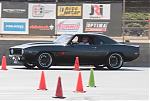
 Brian Hobaugh SCCA National Tour June 2014
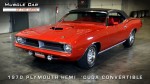 First Hemi 'Cuda Convertible Ever Built
 Short clips: Goodguys Pleasanton autocross and pit videos


