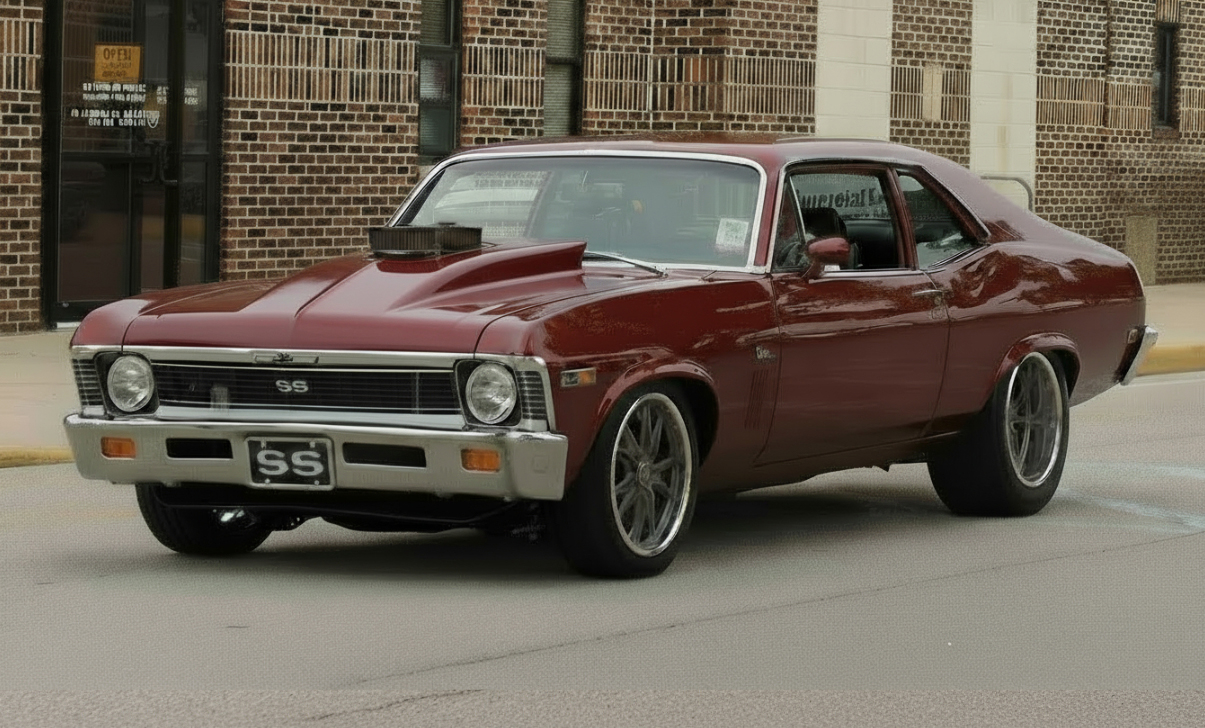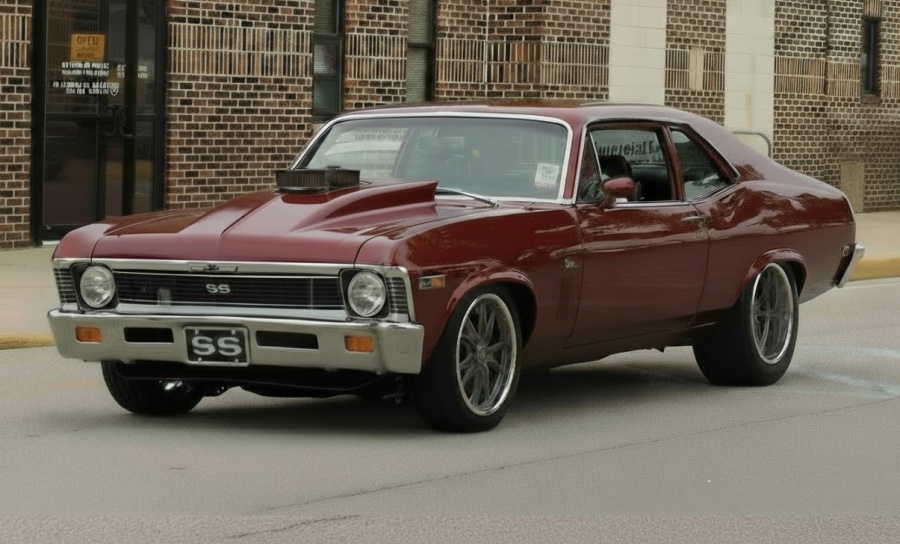
My best friend has a wicked 69 Nova Pro-Touring style build. He has 14″ front 6 piston Wilwood brakes with 13″ rears. Even with the large brakes he felt the stopping power was inadequate. The car is equipped with a 775 HP 540 and the vacuum was too low for the vacuum booster to operate properly. He had added a vacuum pump to assist the booster, but after a couple of close calls when the pump did not maintain vacuum for some reason and he nearly rear-ended the car in front of him, he was ready for something different and more reliable. He asked me for a recommendation to address these issues, and he did not want to go to manual brakes. I told him that I had run a hydroboost system on a few cars, really liked them, and I knew who made one as a direct bolt on kit for his Nova.
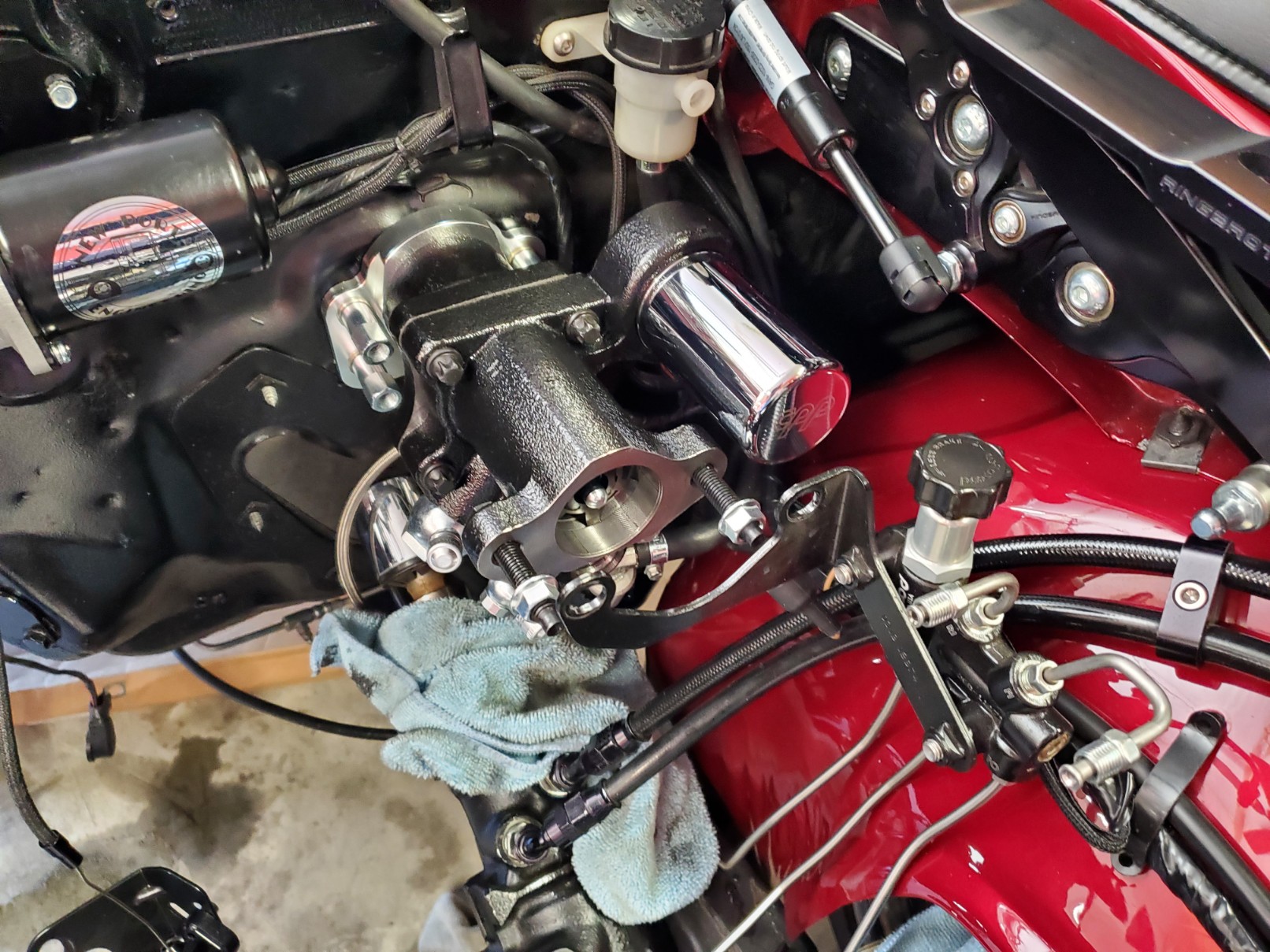
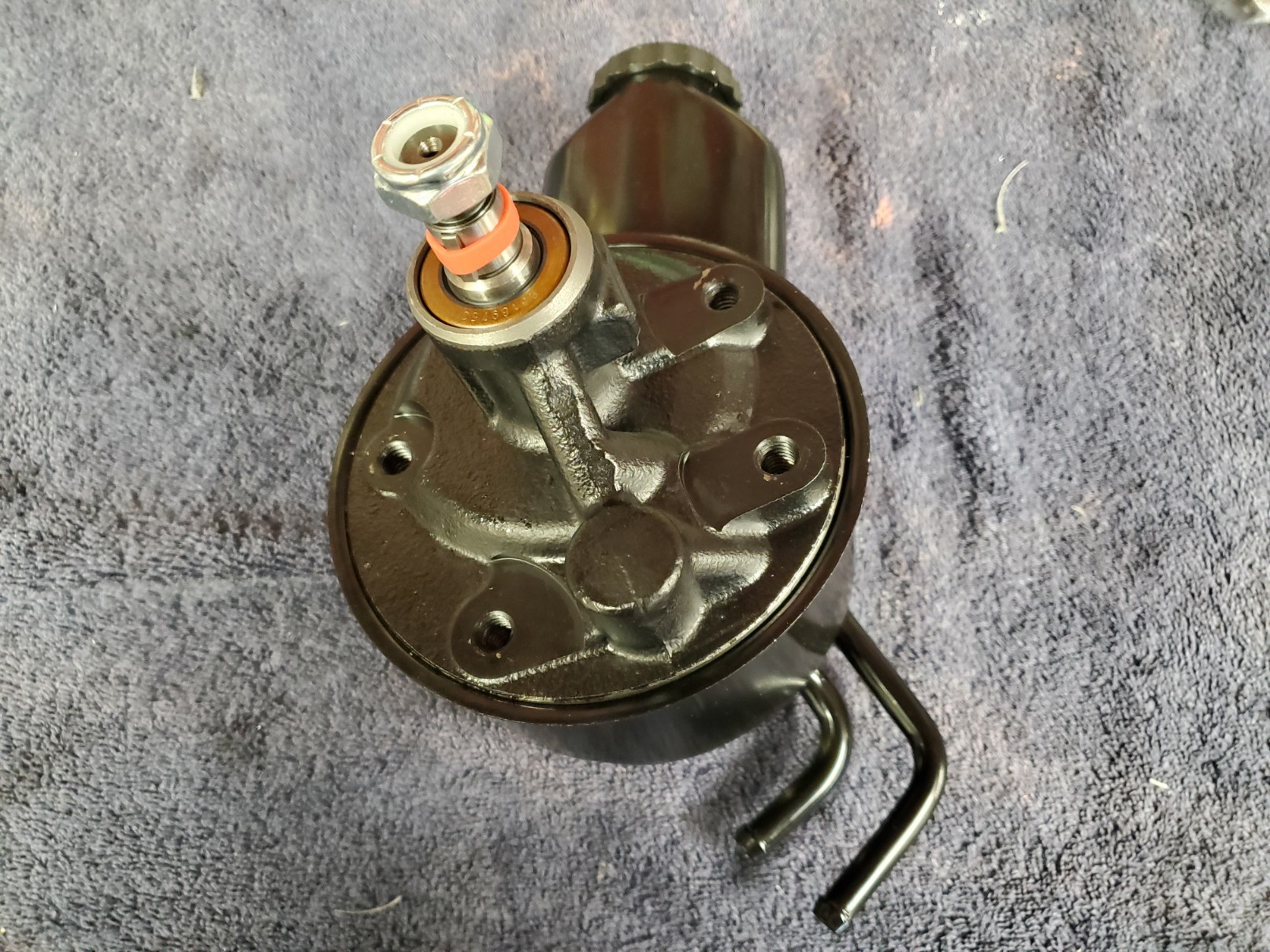
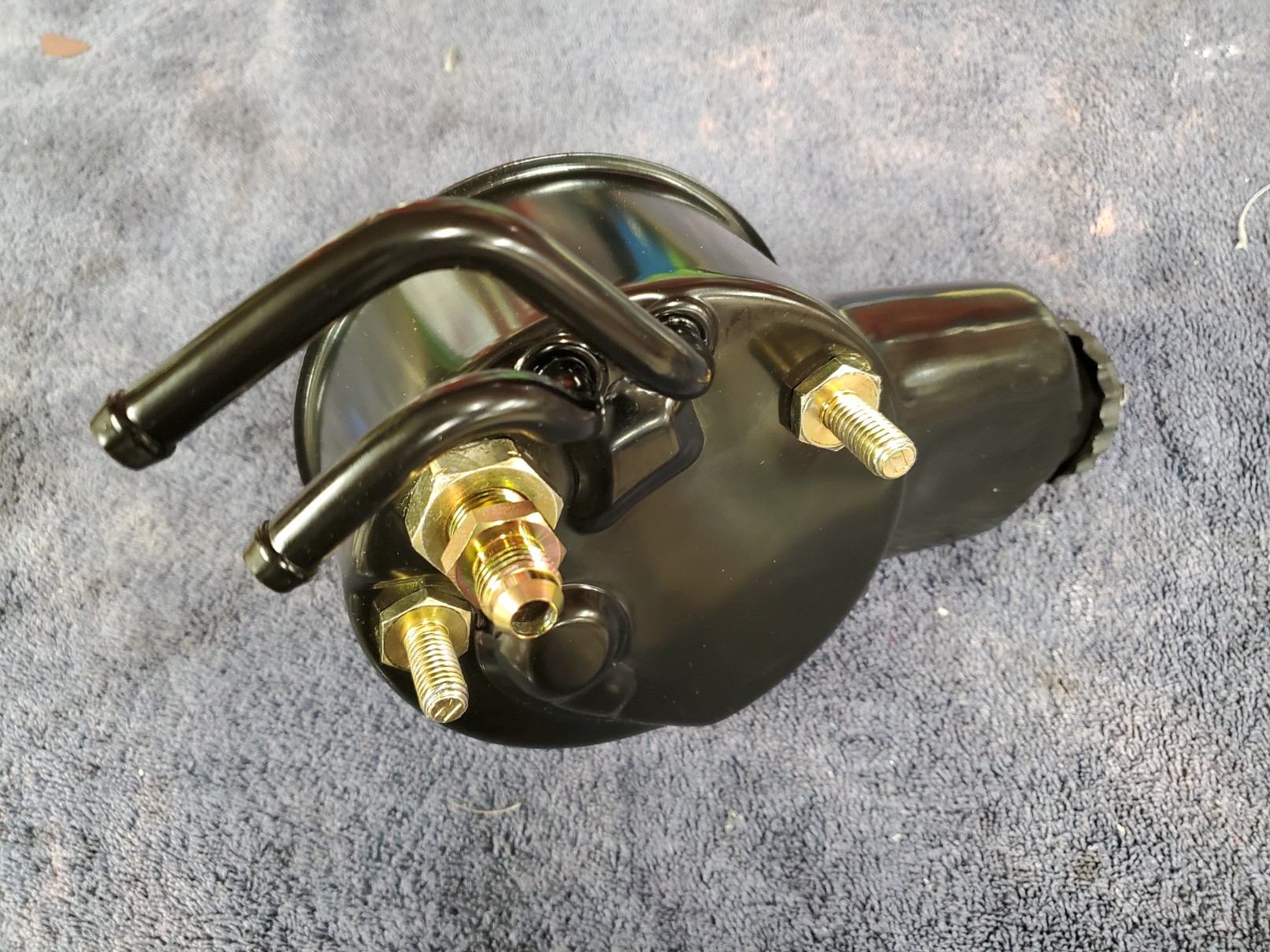
We contacted CPP and ordered one of their Show Stopper HydraStop systems. The CPP kit delivers a premium hydraulic assist upgrade for classic muscle car builds. These vehicles are frequently equipped with upgraded suspension, disc brake conversions, and performance engines that can limit available vacuum assist. HydraStop eliminates that issue by using steering system pressure to generate up to 1800 psi at the wheels for responsive and predictable braking performance. This kit is very complete, but we added the optional power steering pump with dual return lines, a polished accumulator, and their billet depth tool to verify the proper spacing of the master cylinder plunger.
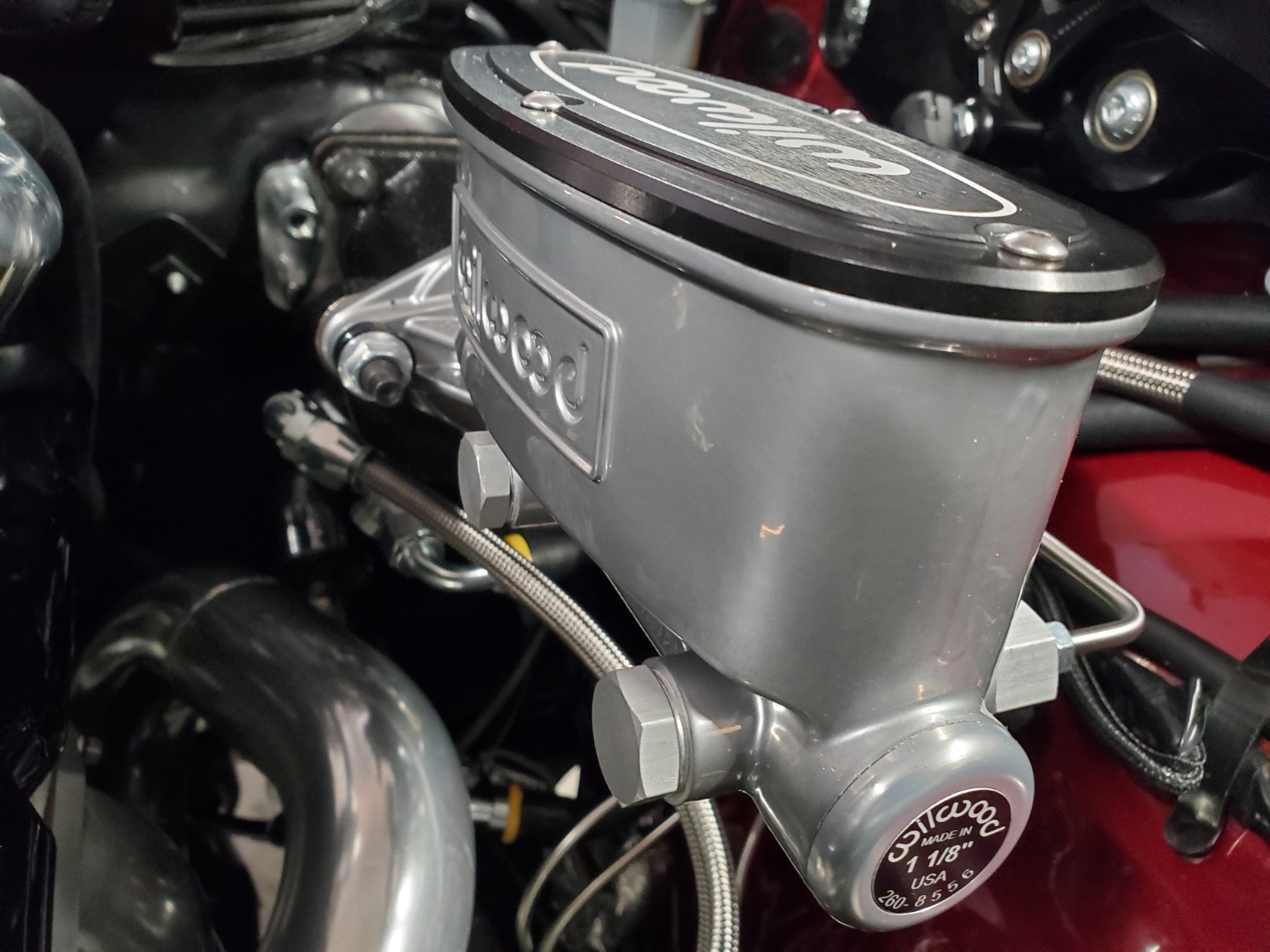
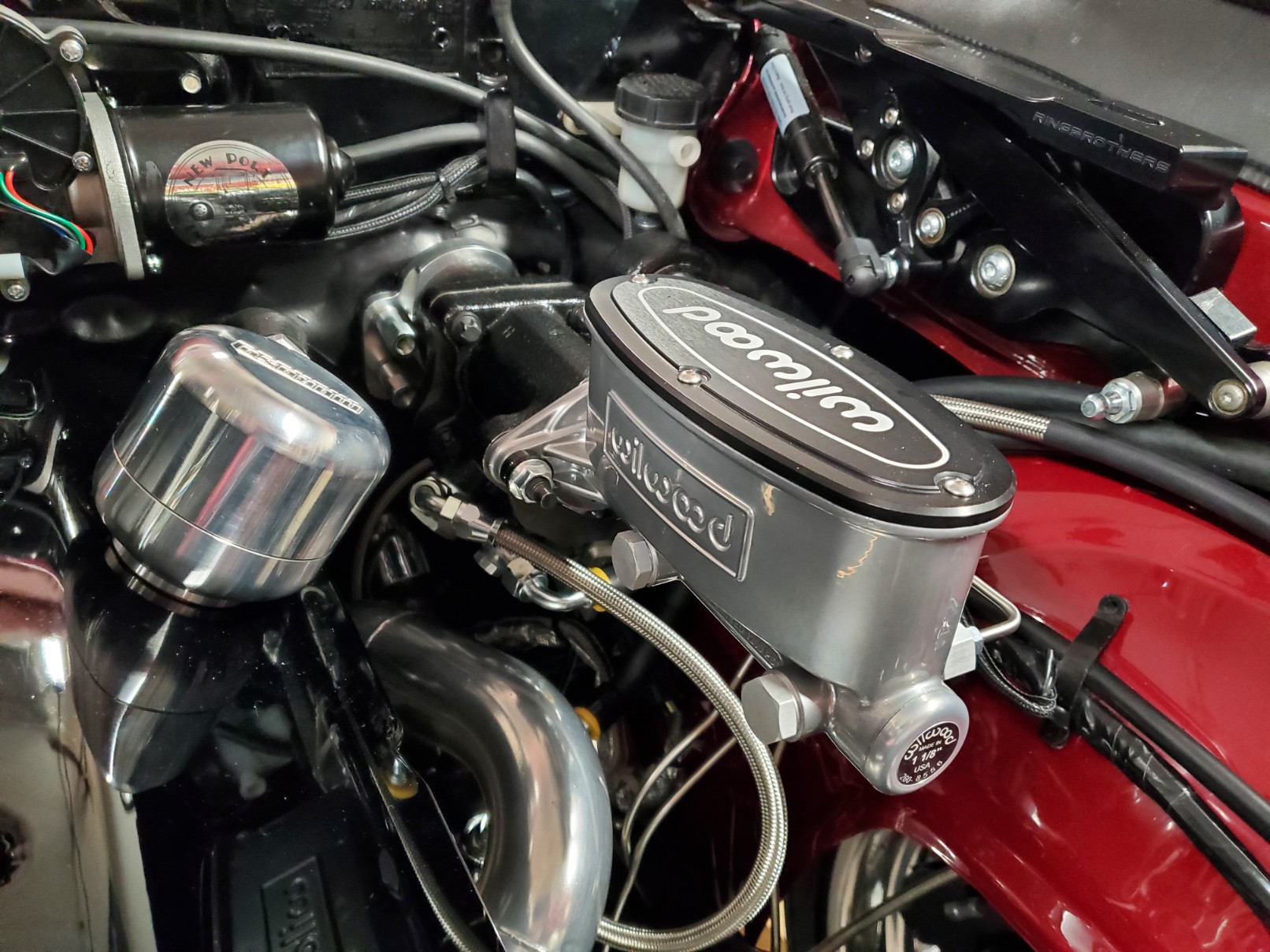
The engine had been removed by the owner for freshening, so this gave more room for the install. We started by removing the existing booster/master assembly. We noticed that the master was starting to leak into the booster, so a new Wilwood master cylinder was ordered.

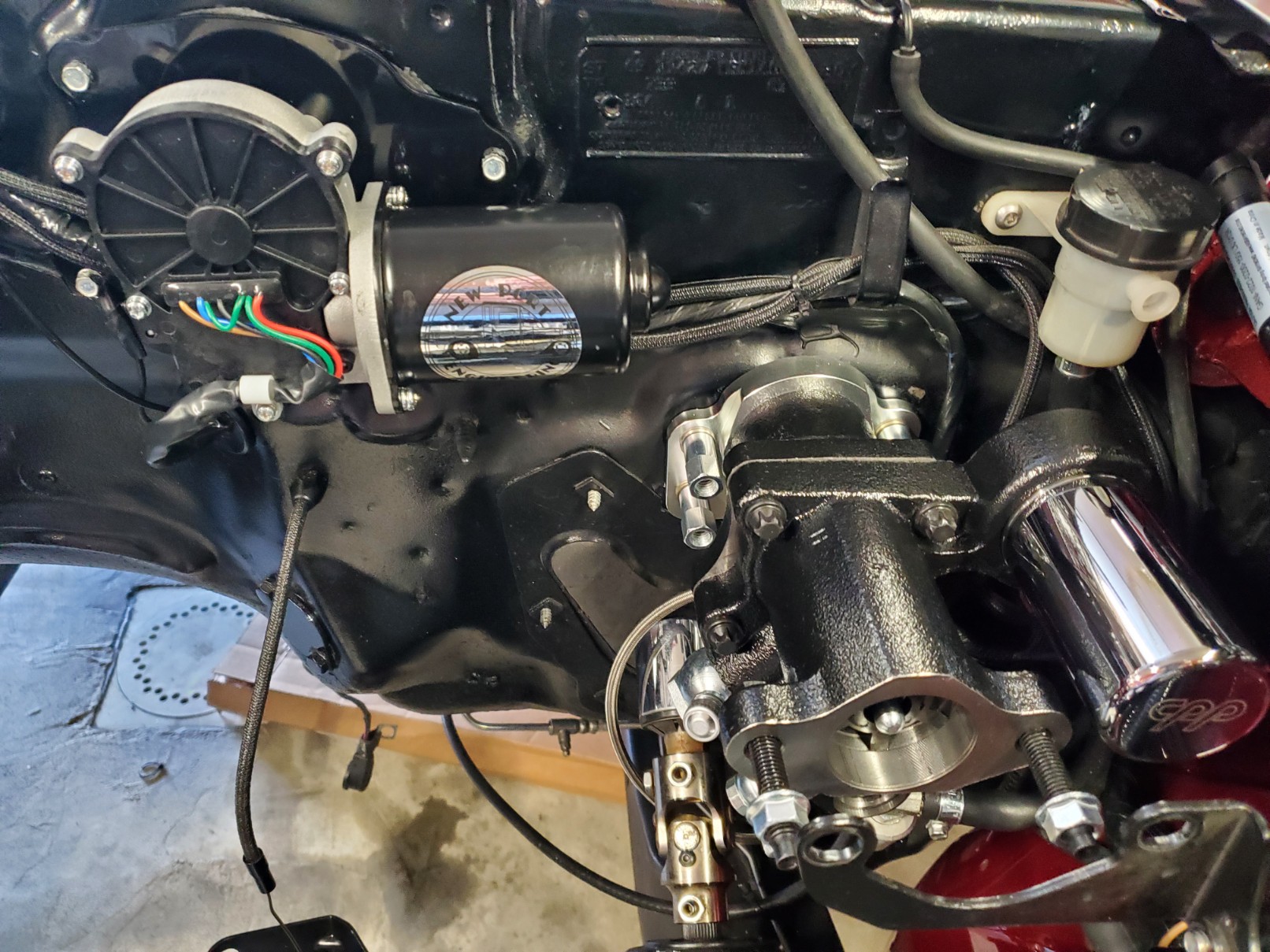
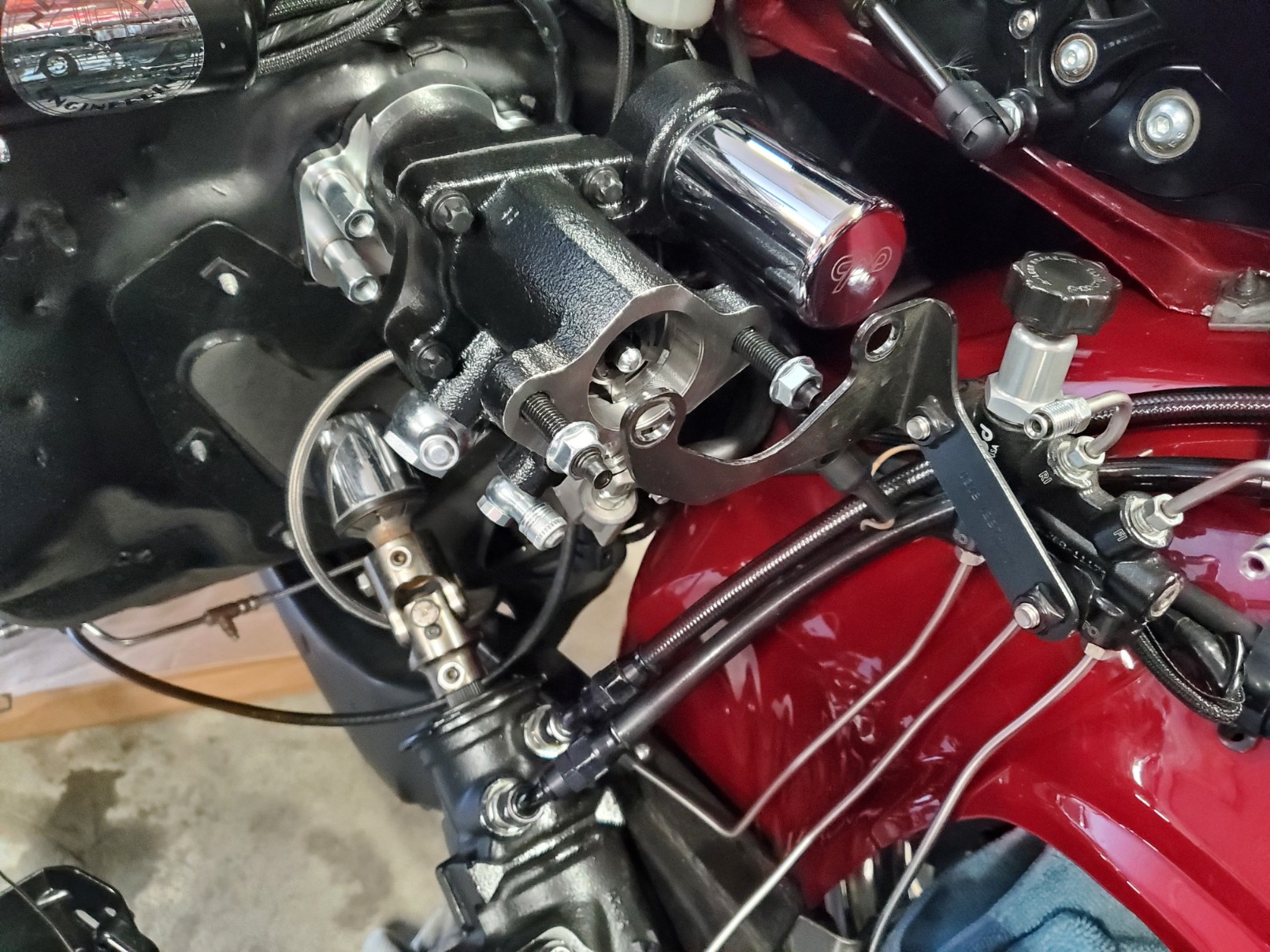
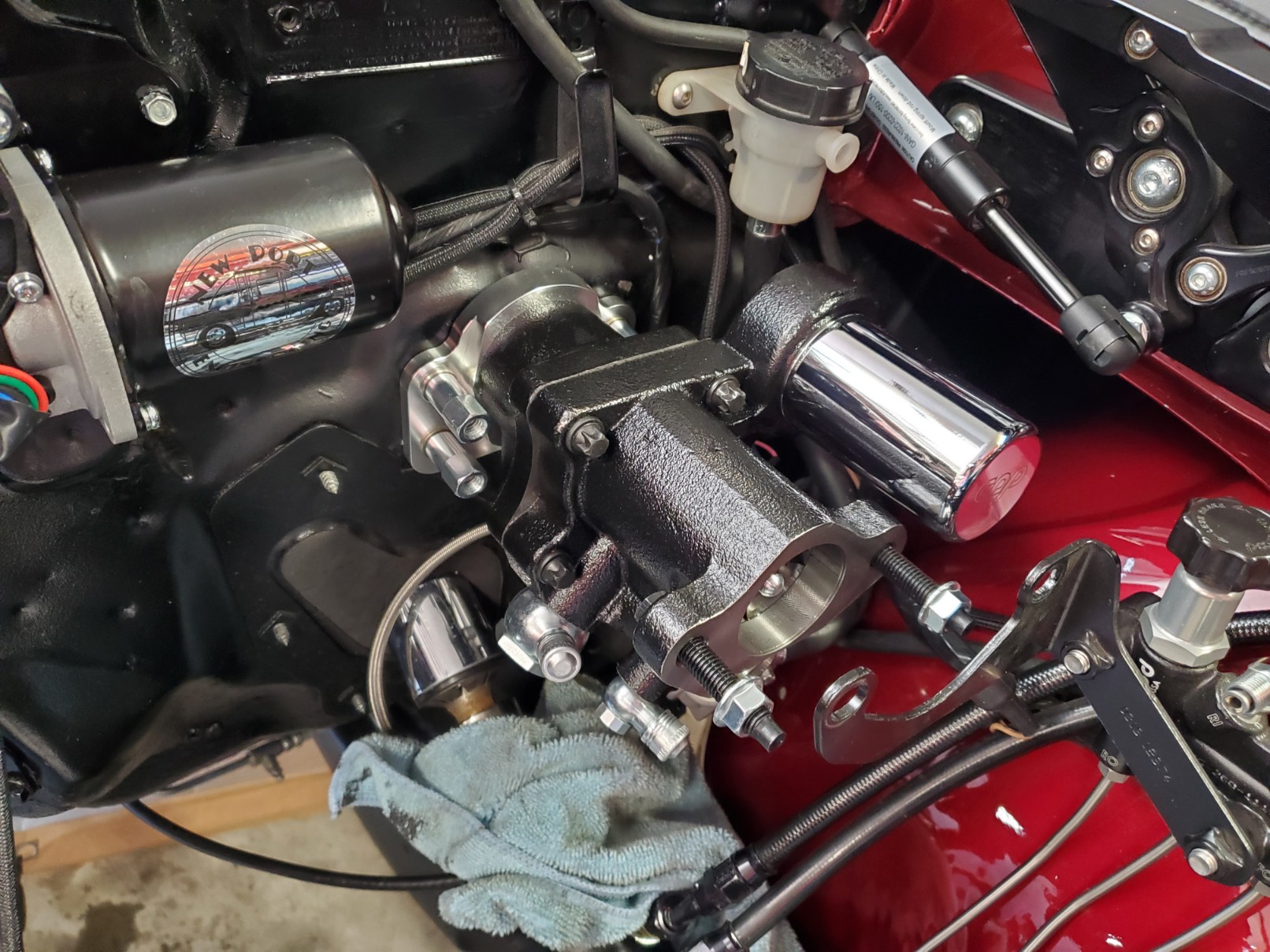
The instructions from CPP were very simple and easy to follow. The new Hydrastop booster and billet mount was installed, and the supplied rod and swivel was adjusted to allow a small amount of free play between the HydraStop and the brake pedal.
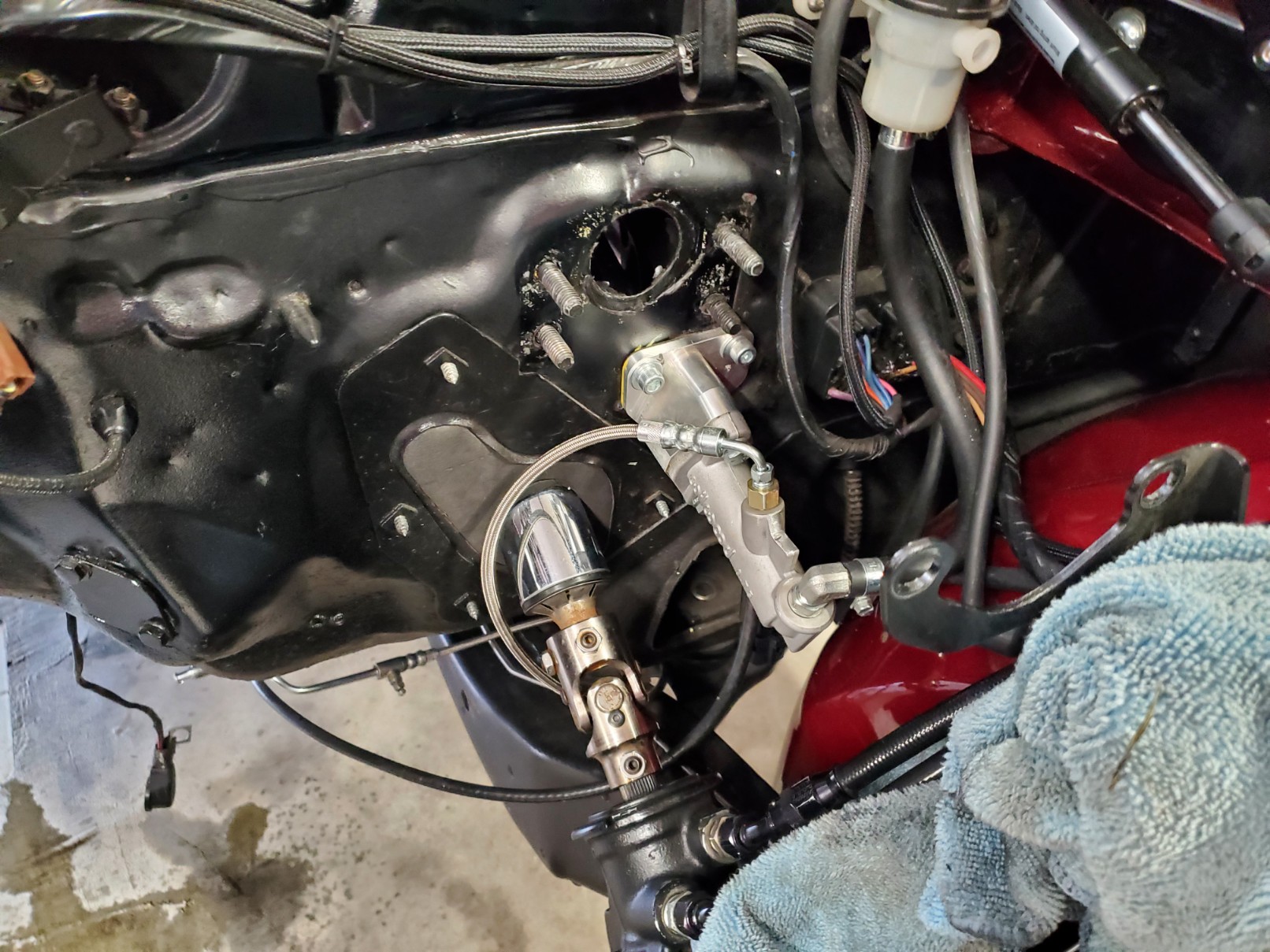
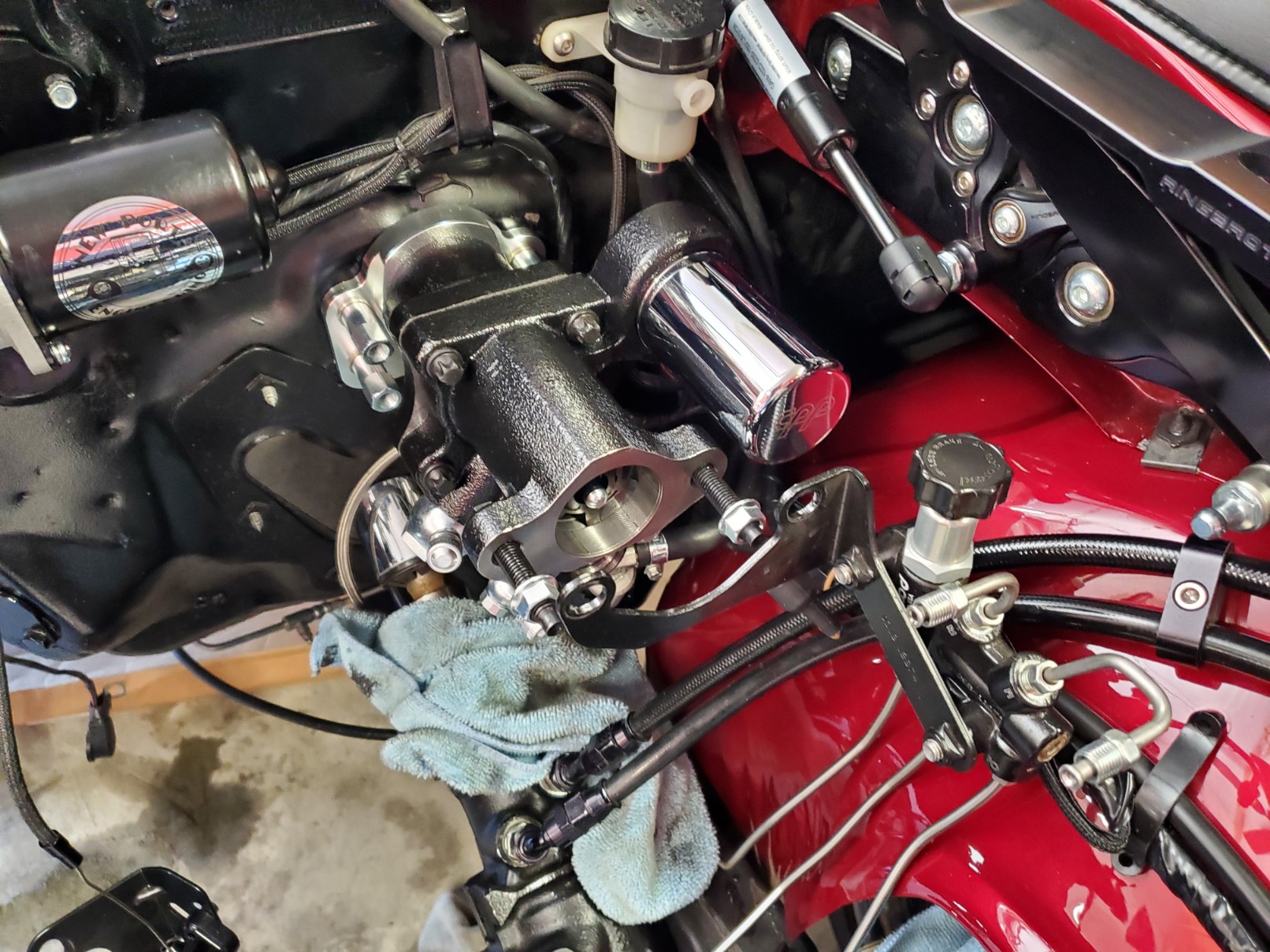
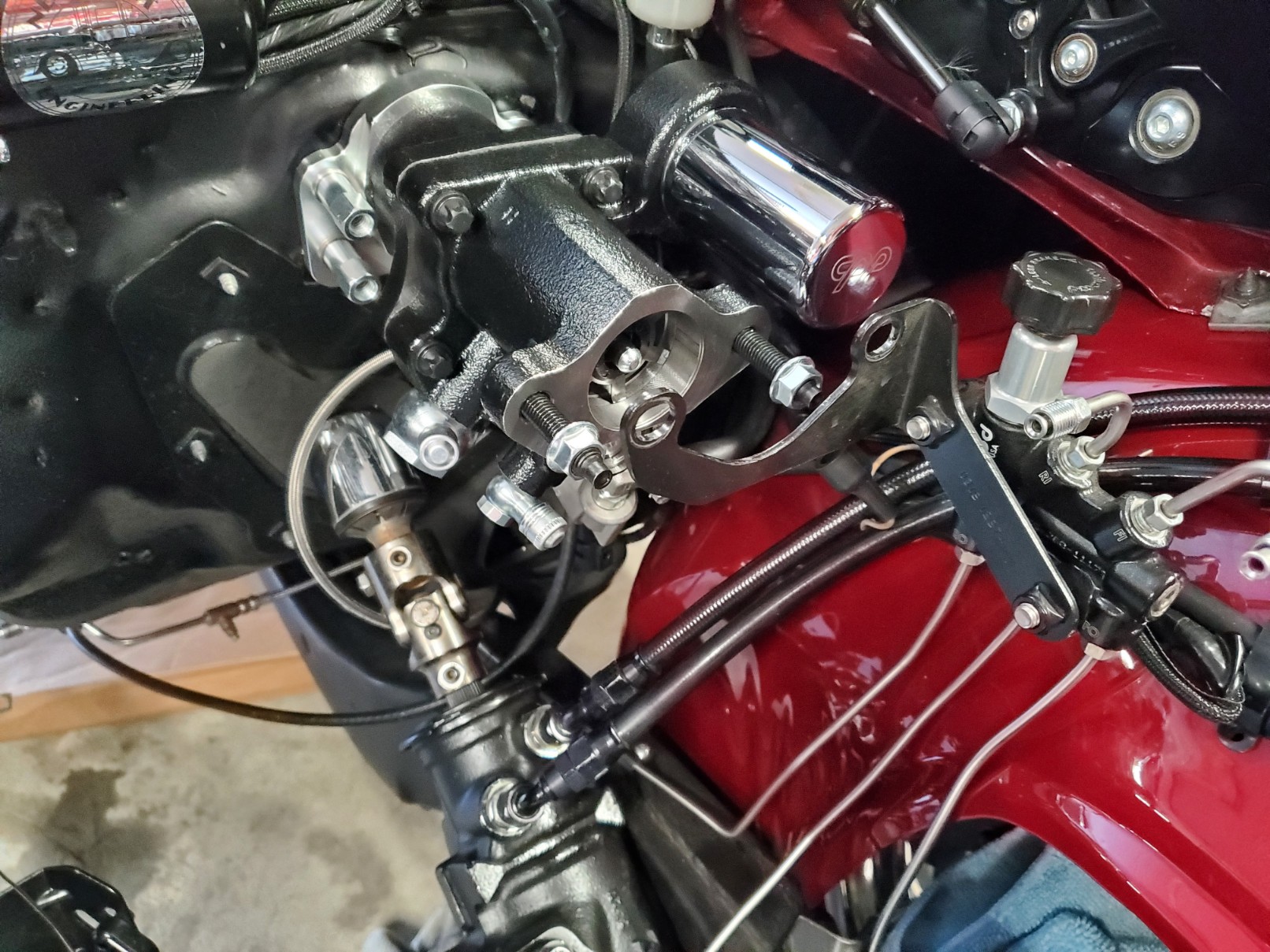
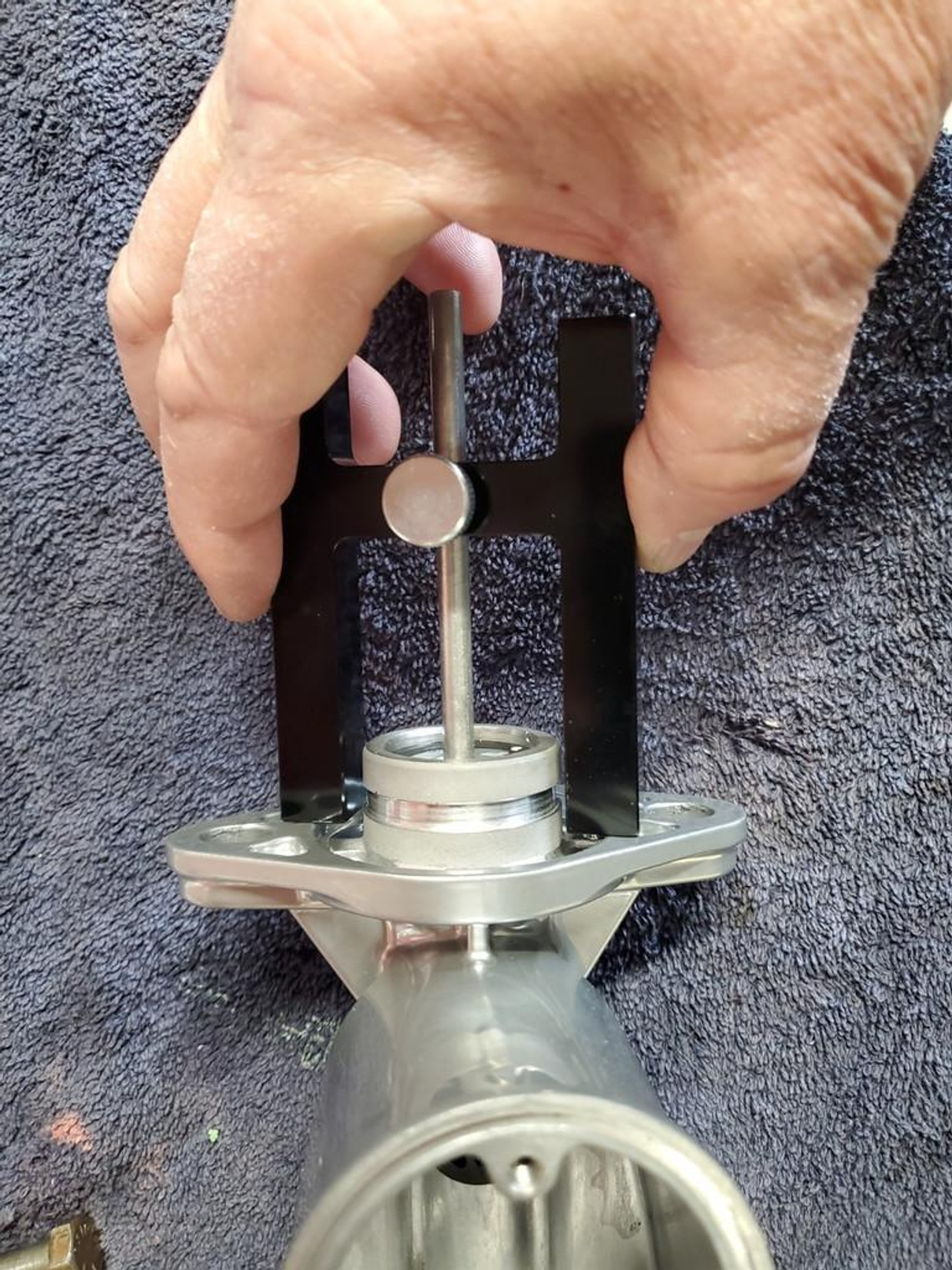
Next was the install of the master cylinder. We needed to verify the proper clearance between the hydrastop unit and the new master cylinder plunger. Our unit was set up for the short rod and the new master cylinder accomodates both short and long rods. We installed the supplied spacer for the short rod booster into the Wilwood master and used the measuring tool supplied by CPP.
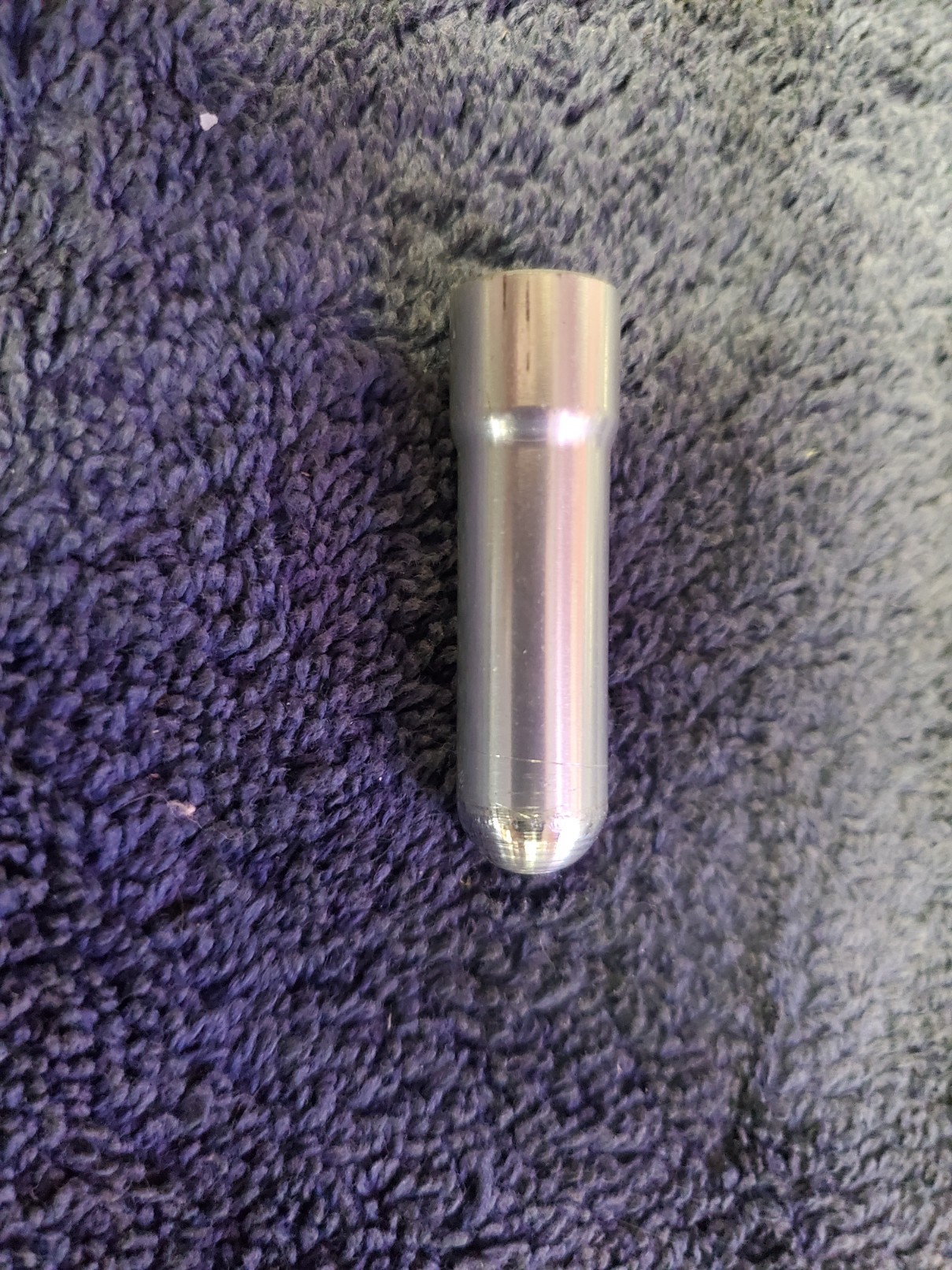
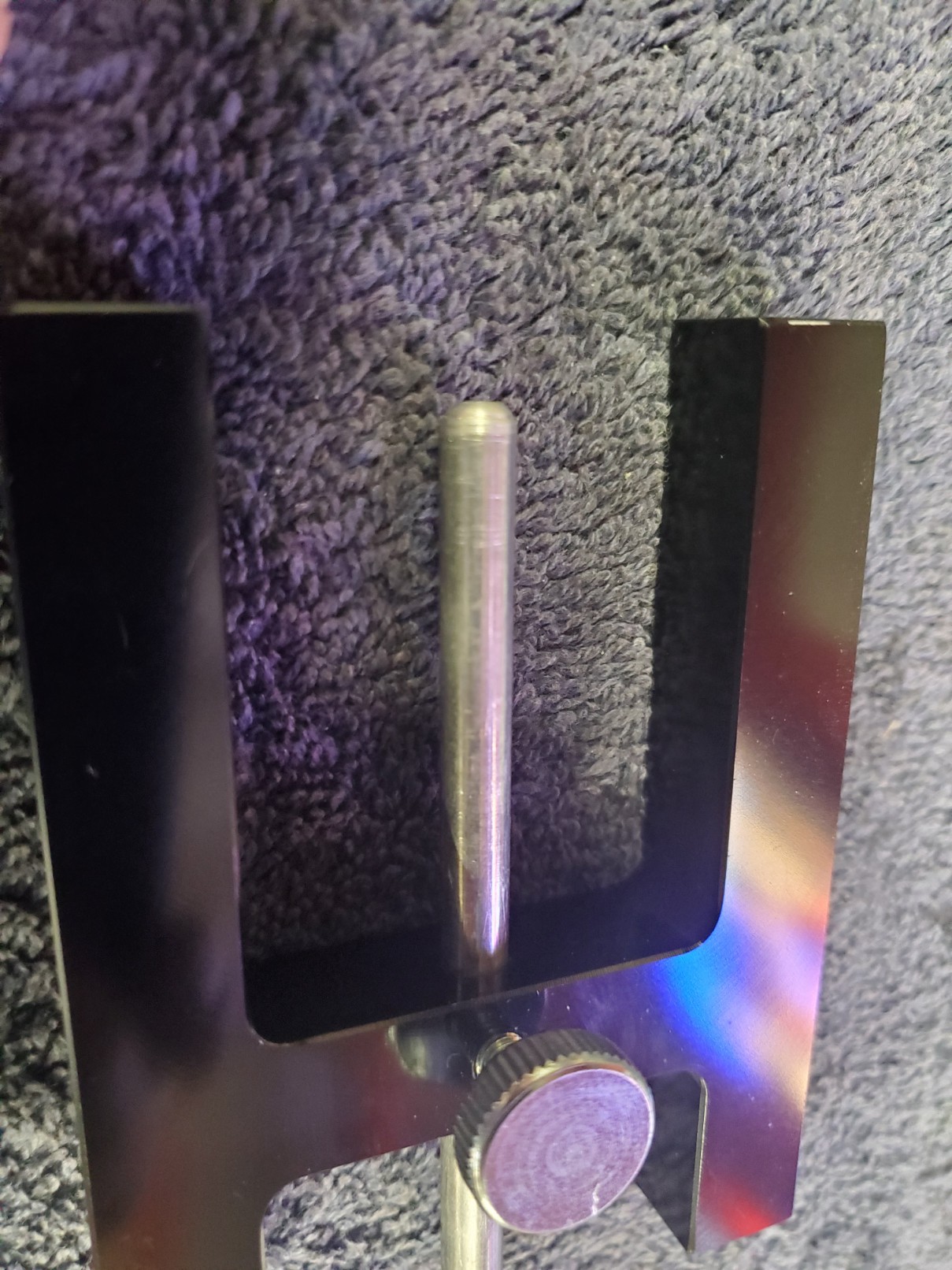
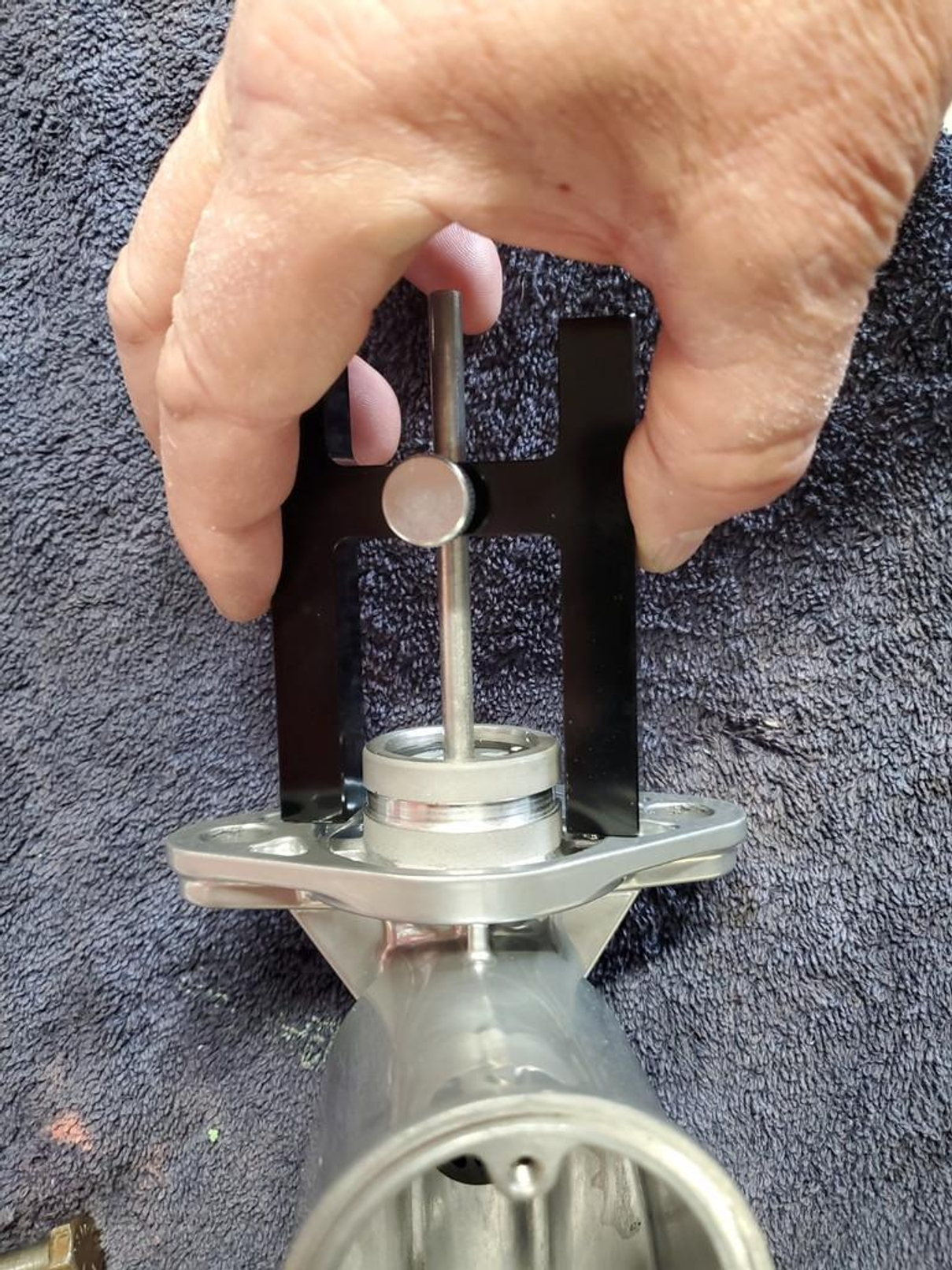
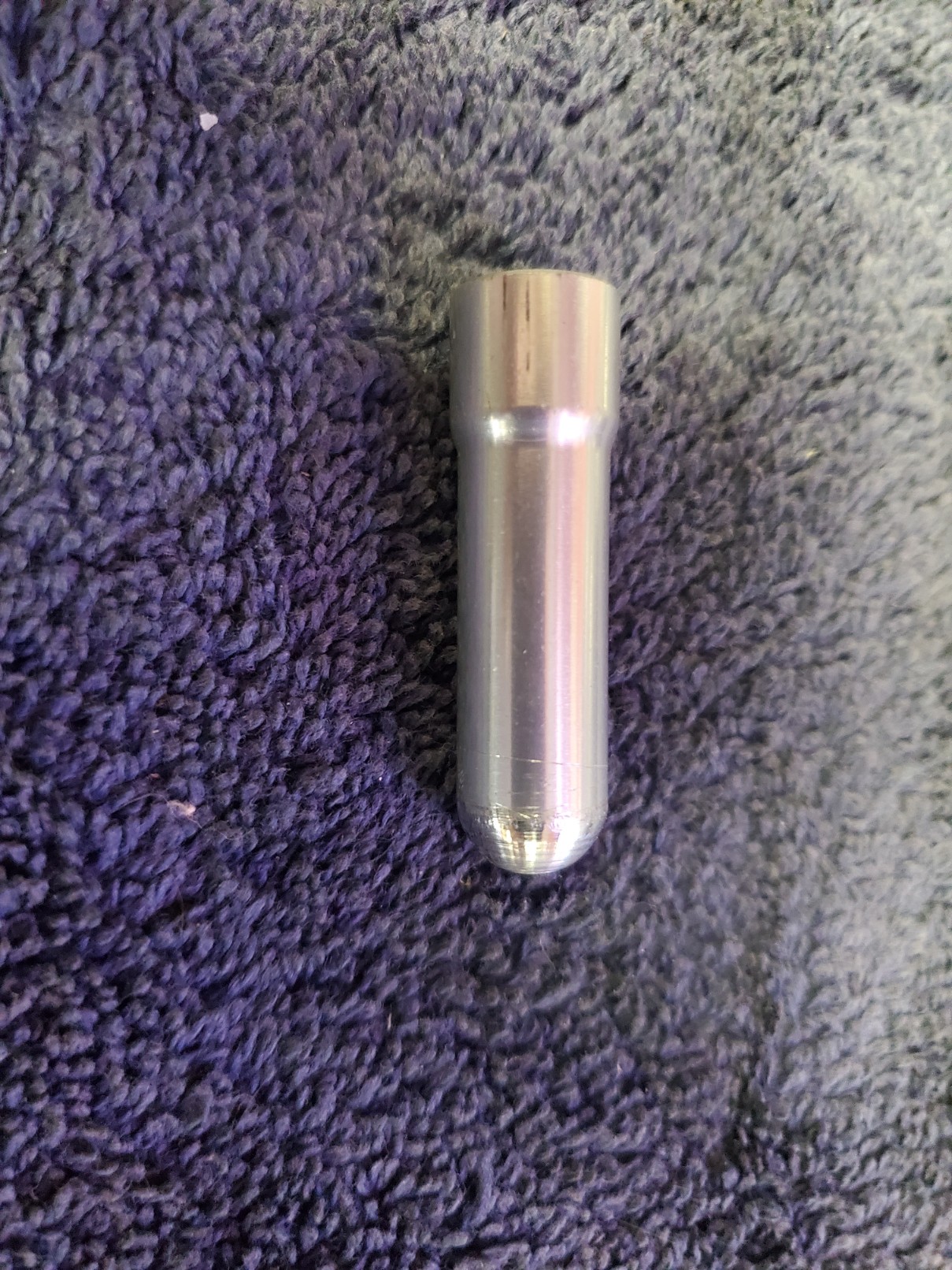
After measuring we ended up about .020″ too long, which would pre-load the master cylinder and cause the brakes to drag. The pushrod in the Hydrastop is not adjustable, so I ended up grinding down the bullet-shaped insert on the back side, maintaining the rounded end so it would locate properly in the master cylinder. After a couple tries I had .010″-.015″ clearance at rest and did the final installation of the master to the booster.
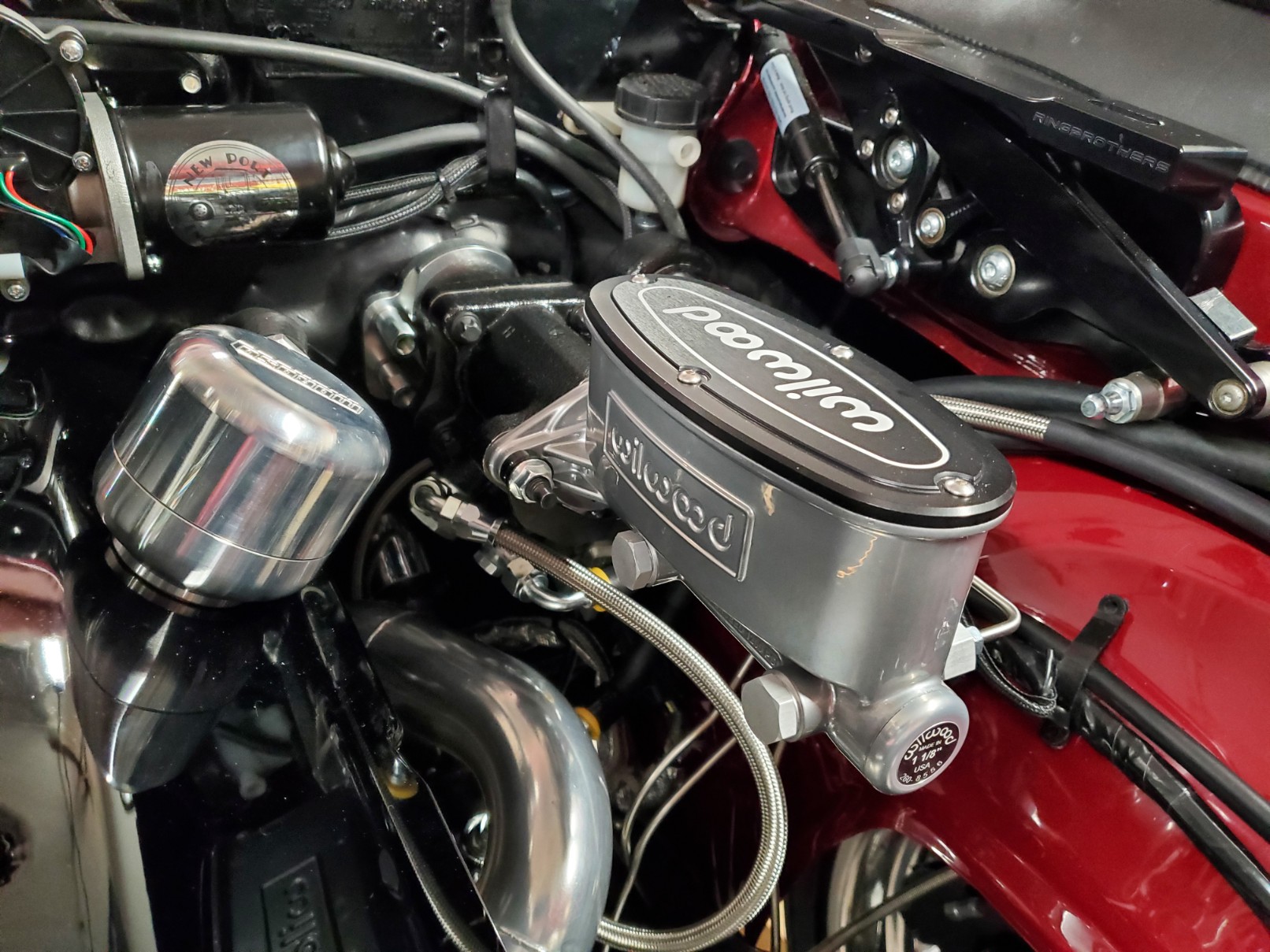
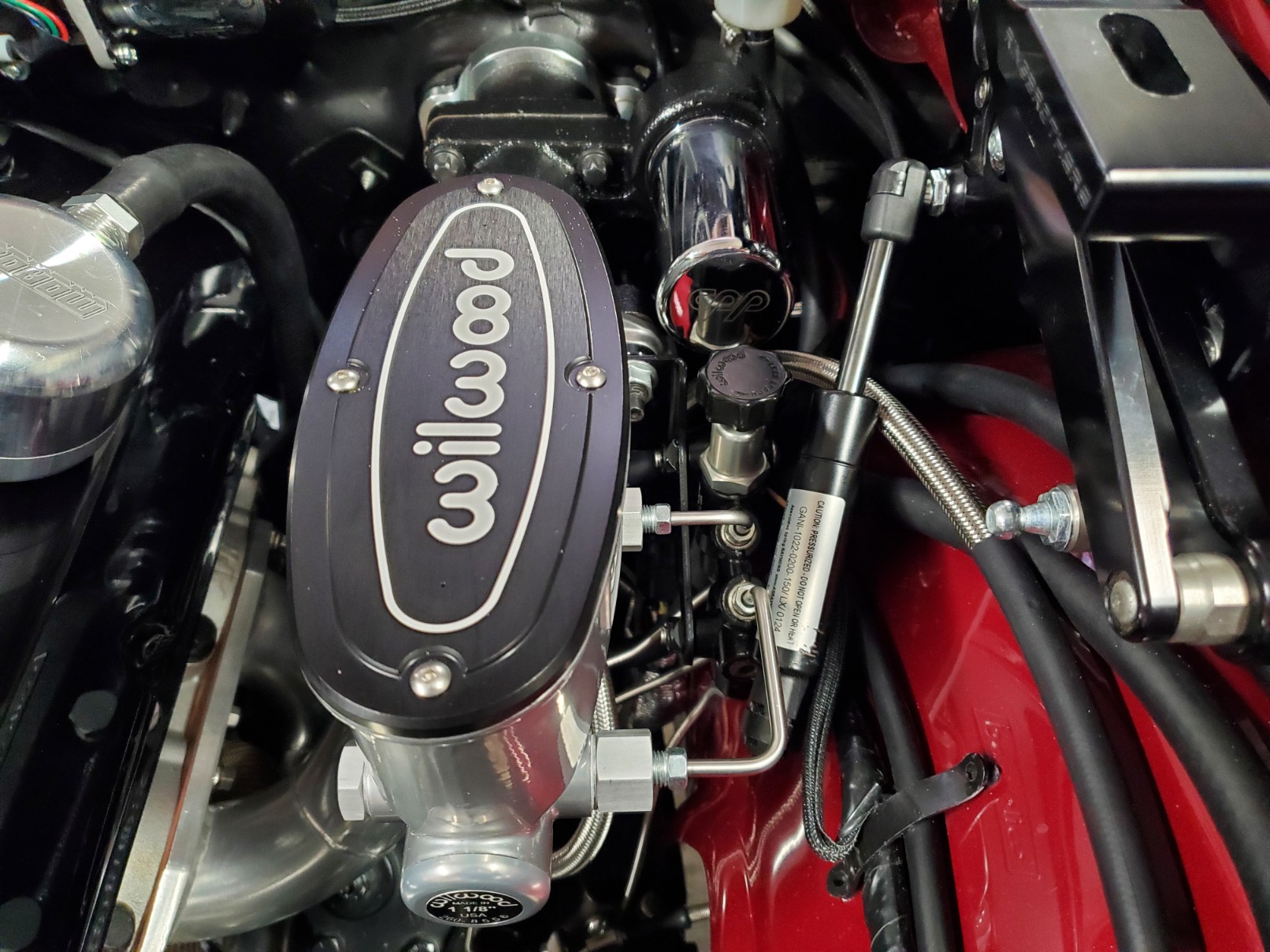

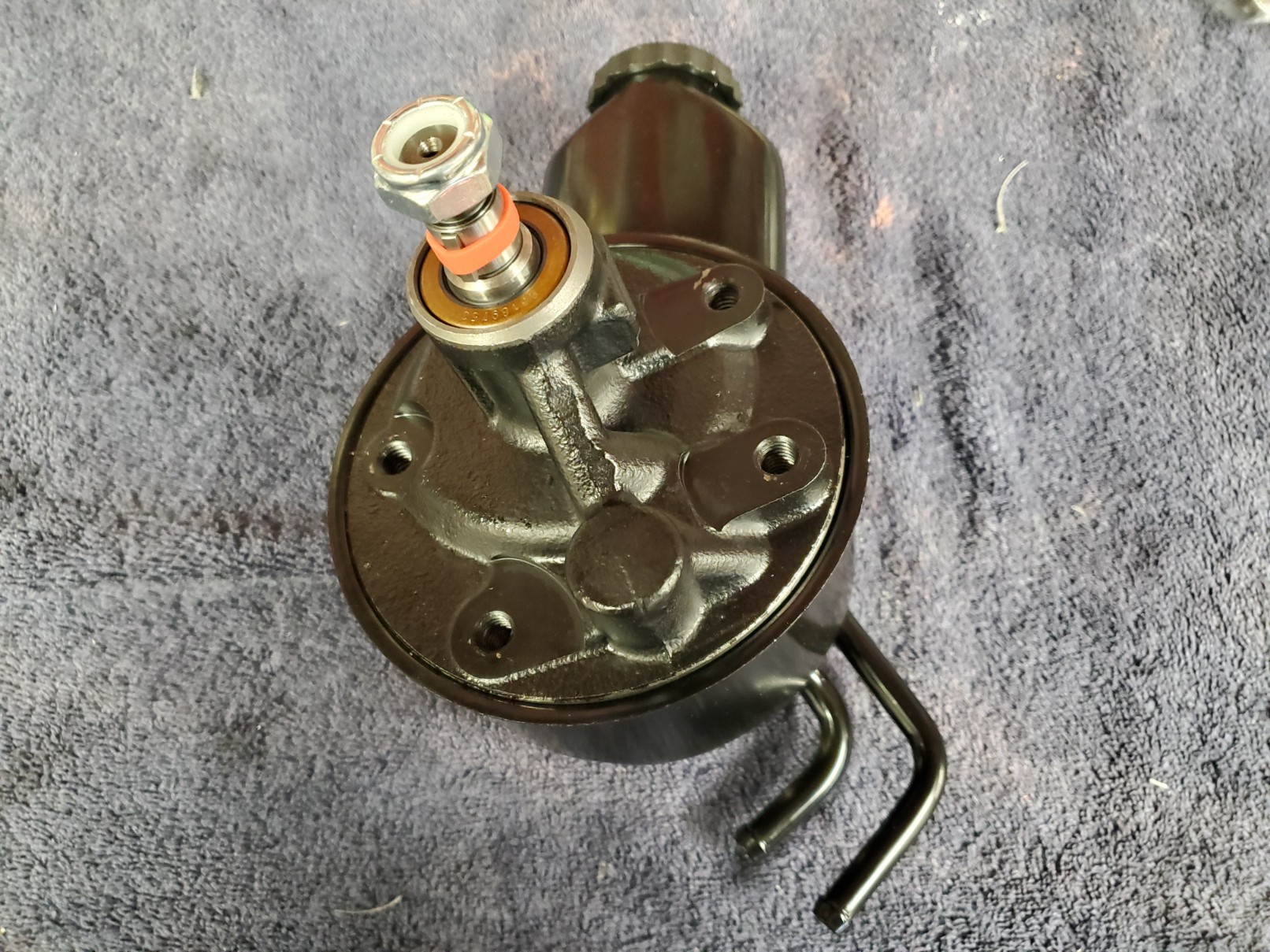
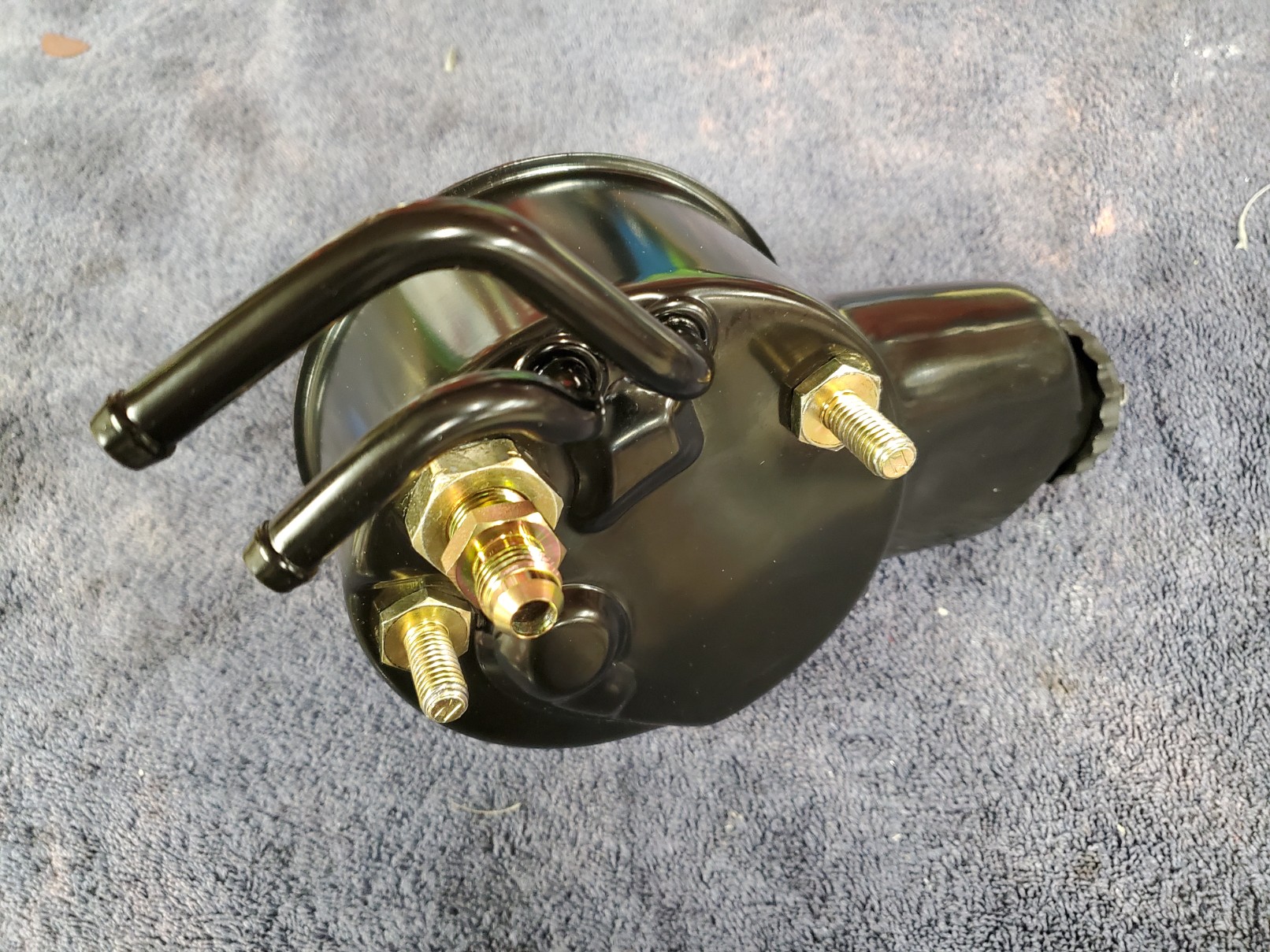
Next up we installed the CPP power steering pump. It’s a direct replacement for the original, very easy to install. This one had the two return lines which made the swap even easier. They also supply a tee in the kit for those who have a single return at the pump.
Next on the list was plumbing the system. CPP provided the braided teflon pressure lines and fittings as well as the return hose and clamps. The installation was very straightforward. We ended up running the lines over the top of the drivers fenderwell as he already had holes drilled and clamps for the previous lines. After bleeding the brakes we filled the pump and with the car not running we turned the wheel all the way to the right and left a few times to help prime the system. At this point the fluid level had dropped so we topped it off and fired the car. With the tires on the ground we let it idle for a minute or so and then topped off the fluid level again. The steering wheel was turned in both directions, and fluid level was checked and topped off as necessary. We pumped the brakes a few times to test the pedal, checked the fluid one last time, and then it was time for the first drive.
The smile on my friends face said it all. The difference in braking feel and performance was night and day. Very little pedal effort is required and the braking feels like a completely different car. Now the car has braking that matches his acceleration. He has full confidence in his brakes now, and considers this one of the best changes he’s made in the car. If you want more info on this system or are ready for an upgrade, the good folks at CPP will take care of you.